Freshwater vs Saltwater Pearls: What Is the Difference?
All pearls are natural wonders, but where and how they grow shapes everything about them. Here is how the two main families compare.
Where they grow
Freshwater pearls grow in mussels in lakes and rivers — mostly in China. One mussel can produce many pearls at once. Saltwater pearls (Akoya, South Sea, Tahitian) grow in oysters in the ocean, typically one pearl per oyster, which makes them rarer and more labour-intensive to farm.
Shape and lustre
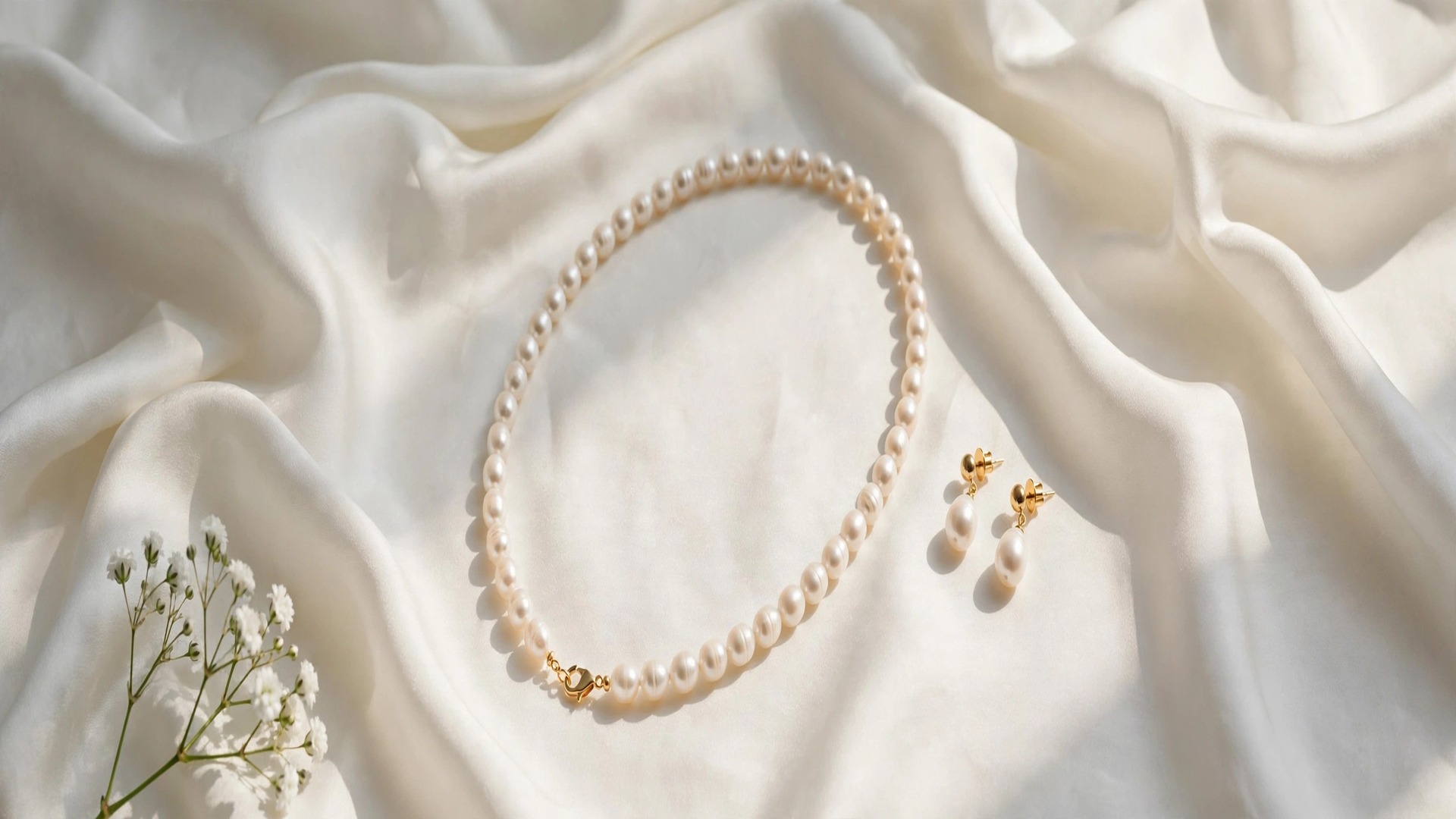
Saltwater pearls — especially Akoya — are prized for near-perfect roundness and a sharp, mirror-like lustre. Freshwater pearls offer a softer, satiny glow and a wider range of natural shapes: round, oval, rice, baroque. Many people find freshwater shapes more modern and organic.
Colour range
Freshwater pearls occur naturally in white, pink, peach, lavender, and champagne tones. Saltwater pearls have their own signature palettes — Akoya in white and rose, Tahitian in dark greens and peacock tones, South Sea in white and golden.
Price and value
Because one mussel yields many pearls, freshwater pearls offer remarkable value — the same budget buys larger, more elaborate freshwater designs. Saltwater pearls command higher prices per pearl due to rarity and roundness.
Why Nualira chose freshwater
We chose freshwater pearls for three reasons: their beautiful natural lustre, the range of shapes and colours that suit modern design, and honest value — so a hand-finished pearl piece doesn't have to cost a fortune. Every Nualira pearl is natural, hand-selected, and one of a kind.